
%20(1500%20x%20550%20px)%20(1500%20x%20650%20px).png)
An assessment only matters if it leads to change. A movement screening gives you the data, but it’s how that data is used that determines real progress.
Your body is a complex system of patterns, compensations, and coordination. Understanding how it functions through movement data gives us the key to build a truly personalised plan — one that improves performance, balance, and comfort over time.
If you’ve ever wondered what happens after your first assessment or how technology like the Rectify posture tracker influences your program, this is where the real transformation begins.
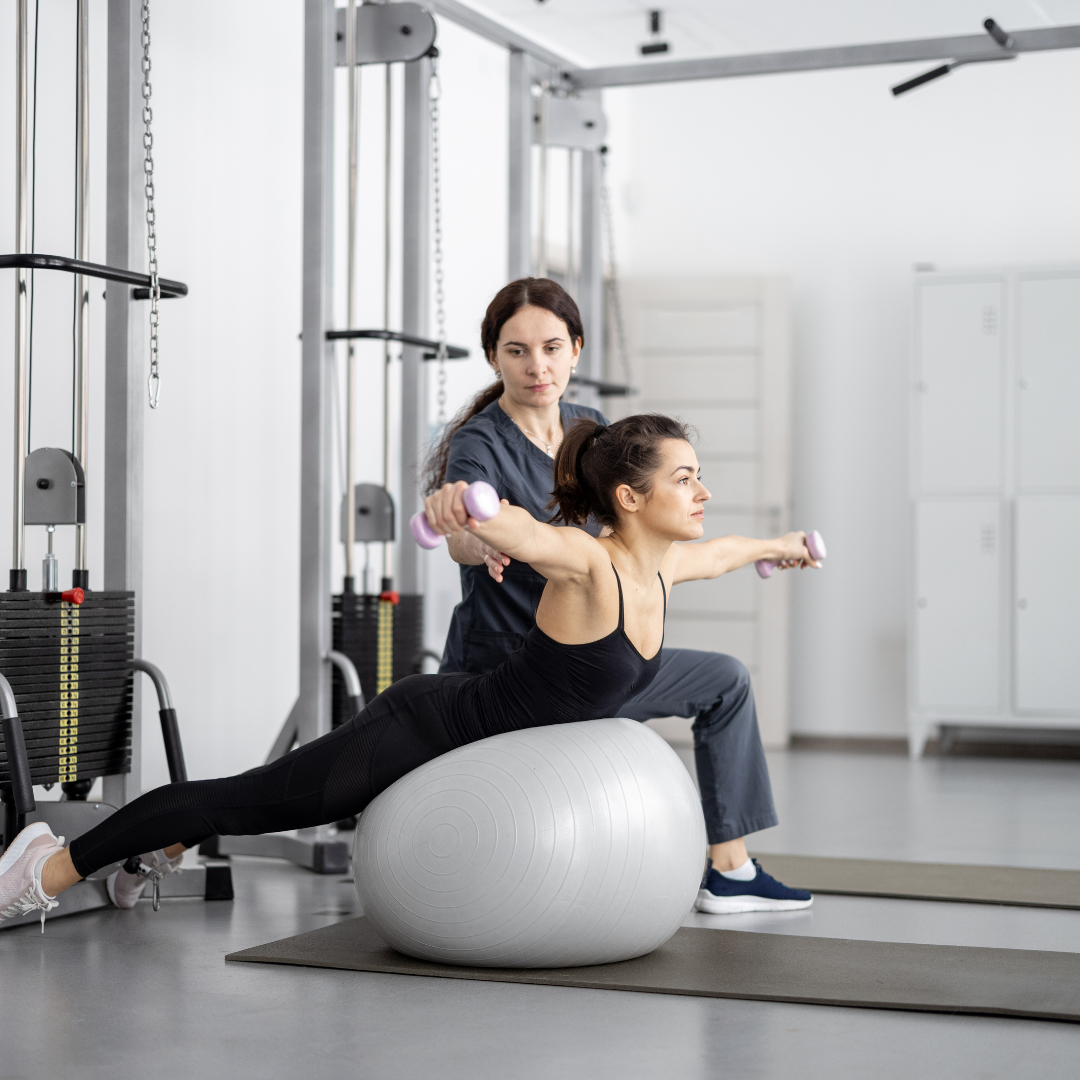
After your initial functional movement screening, we combine all the findings — joint mobility, posture tracking, and stability tests — into a clear visual profile of how your body moves.
The Rectify posture tracker collects data on your daily posture, tracking how your body behaves when you’re sitting, standing, and walking. Combined with your in-person screening, this reveals your body’s patterns in both controlled and natural settings.
For example:
These small habits often explain why pain or stiffness returns, even when you train regularly. The data helps us pinpoint exactly where efficiency is lost and where strength or mobility needs to be rebuilt.
Once your data is reviewed, we translate those findings into an individualised training plan. This plan connects your weaknesses and asymmetries to specific corrective strategies, so every exercise has a clear purpose.
A typical plan includes:
It’s not a generic workout. It’s a sequence of targeted exercises that build upon each other, guided by what your body’s data actually shows.
If you’d like to understand how activation fits into this process, read Activate Your Underactive Muscles for Long-Term Effects.
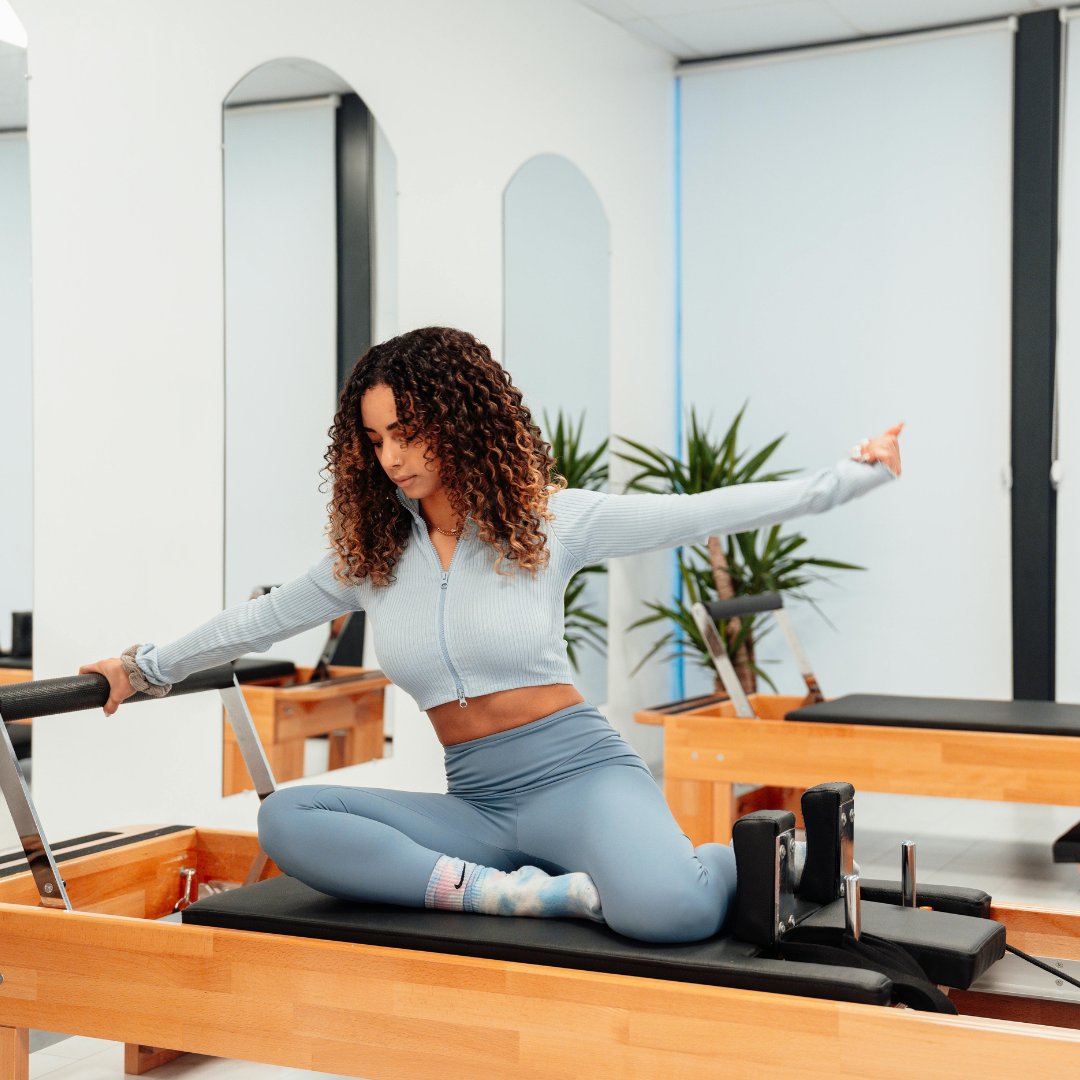
Every session becomes more intentional once we know how your body responds to specific movements. Instead of repeating random exercises, we focus on patterns that deliver measurable improvement.
I observe how your body adapts — whether your hips stabilise more evenly, your breathing becomes more efficient, or your range of motion increases. The posture data continues to guide us, showing whether daily habits are improving between sessions.
This approach keeps progress consistent. You’ll notice that small changes compound quickly when your body is finally trained the way it’s designed to move.
When training is built from accurate assessment, results become long-lasting rather than temporary. Clients typically notice:
Because the plan is data-driven, we can continually adjust it as your movement improves. This is how we create a sustainable system — not just for fitness, but for long-term balance and strength.
You can read more about this concept in Rebalance Your Body for Strength, Longevity and Pain-Free Movement. It explains why real change begins when the body moves as a connected, balanced unit.
The difference between ordinary exercise and personalised training in Los Angeles lies in precision. Movement data removes guesswork. It tells us exactly which muscles need attention, how your joints behave under stress, and how your posture changes throughout the day.
This process saves time, reduces injury risk, and creates visible progress faster. By understanding your movement patterns, we train smarter — not harder.
For clients searching for a functional fitness coach in West Hollywood, this level of detail is what turns training into transformation.
Your movement data is more than just numbers. It’s your body’s story — how it has adapted, compensated, and learned to move. With the right plan, that story can be rewritten.
Fill the form below to book in a 1:1 session with Ramin at his studio in West Hollywood.
Do I need to do another assessment before starting training?
No. Your movement screening provides all the data needed to design your first program. Additional assessments are done later to track progress.
How is this different from standard personal training?
Every exercise is chosen based on your movement data, not a template. It’s tailored to your structure, not a generic routine.
Can this help reduce pain or stiffness?
Yes. When your movement becomes balanced and efficient, pain often fades naturally because the body no longer compensates or overloads weak areas.
How often should I train?
Most clients start with one or two sessions per week, plus a few short home-based exercises to reinforce what we work on together.
Where is the training studio located?
Ramin’s studio is based in West Hollywood, Los Angeles, providing one-on-one sessions focused on data-driven, functional fitness training.