
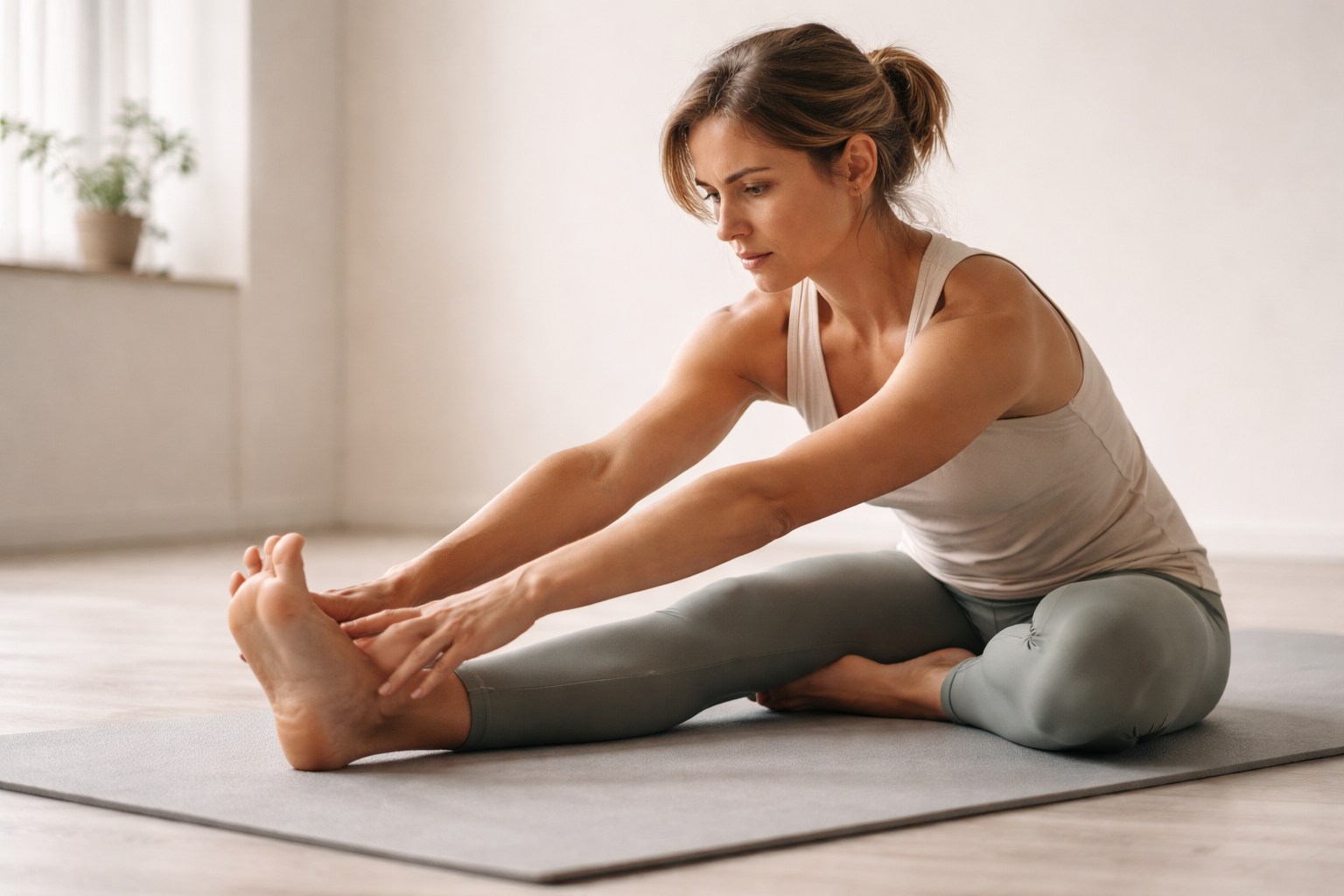
Most clients I see in West Hollywood have been stretching for years without real change. They stretch their hips, hamstrings, back, shoulders, or neck daily. Some feel temporary relief, but the pain always returns.
Stretching feels logical. If something feels tight, you stretch it. But pain is rarely caused by short muscles alone. In many cases, stretching is not solving the problem because it is not addressing how the body is actually moving.
This is where many people get stuck. They work harder on the wrong solution.
Pain is often a sign that your body is moving inefficiently. When one area does not move well, another area compensates. Over time, that compensation creates overload, tension, and discomfort.
For example:
In these cases, the tight muscle is not the problem. It is responding to a lack of support somewhere else.
This is why flexibility pain solutions that rely only on stretching often fail. They treat the symptom rather than the cause.
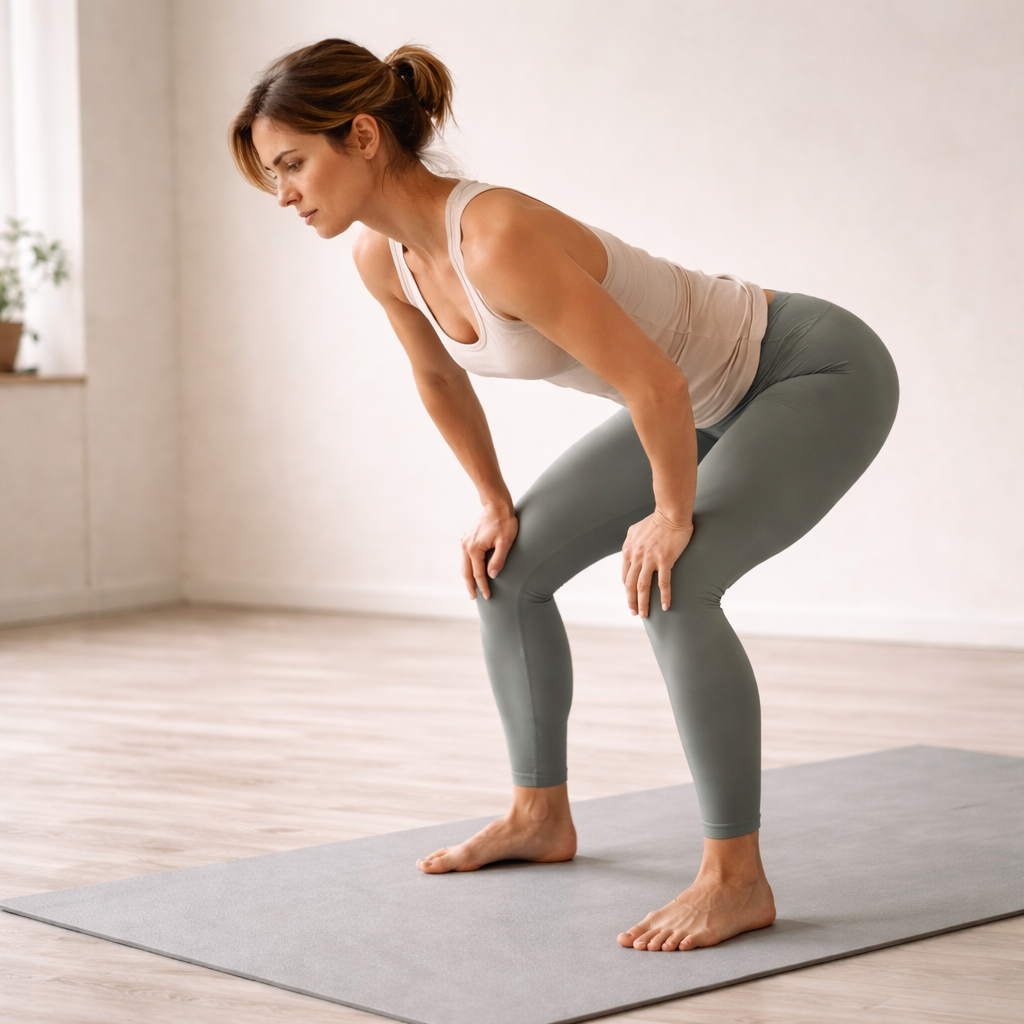
When a muscle feels tight, it is often trying to protect a joint or create stability. Stretching it without addressing the reason it is tight can remove that protection.
This can lead to:
For example, stretching the lower back aggressively may reduce tension for a short time. But if the hips and core are not supporting movement, the back tightens again to compensate.
This cycle explains why many people feel stuck despite consistent stretching routines.
To understand how imbalances drive this process, read
How Muscle Imbalances Lead to Joint Pain and What You Can Do About It.
True mobility is not just about how far you can move. It is about how well you can control that movement.
Mobility must be paired with:
Without stability, increased mobility often leads to more compensation. This is why some people feel worse after stretching programs or yoga classes that focus only on range of motion.
A well designed mobility training approach in West Hollywood should always include control, strength, and sequencing.
Sequencing refers to how different parts of your body work together during movement. When sequencing is off, one area moves too much while another moves too little.
Common sequencing issues include:
Stretching does not fix sequencing. In some cases, it amplifies the imbalance.
Restoring proper sequencing is a key part of long term pain reduction and improved movement quality.
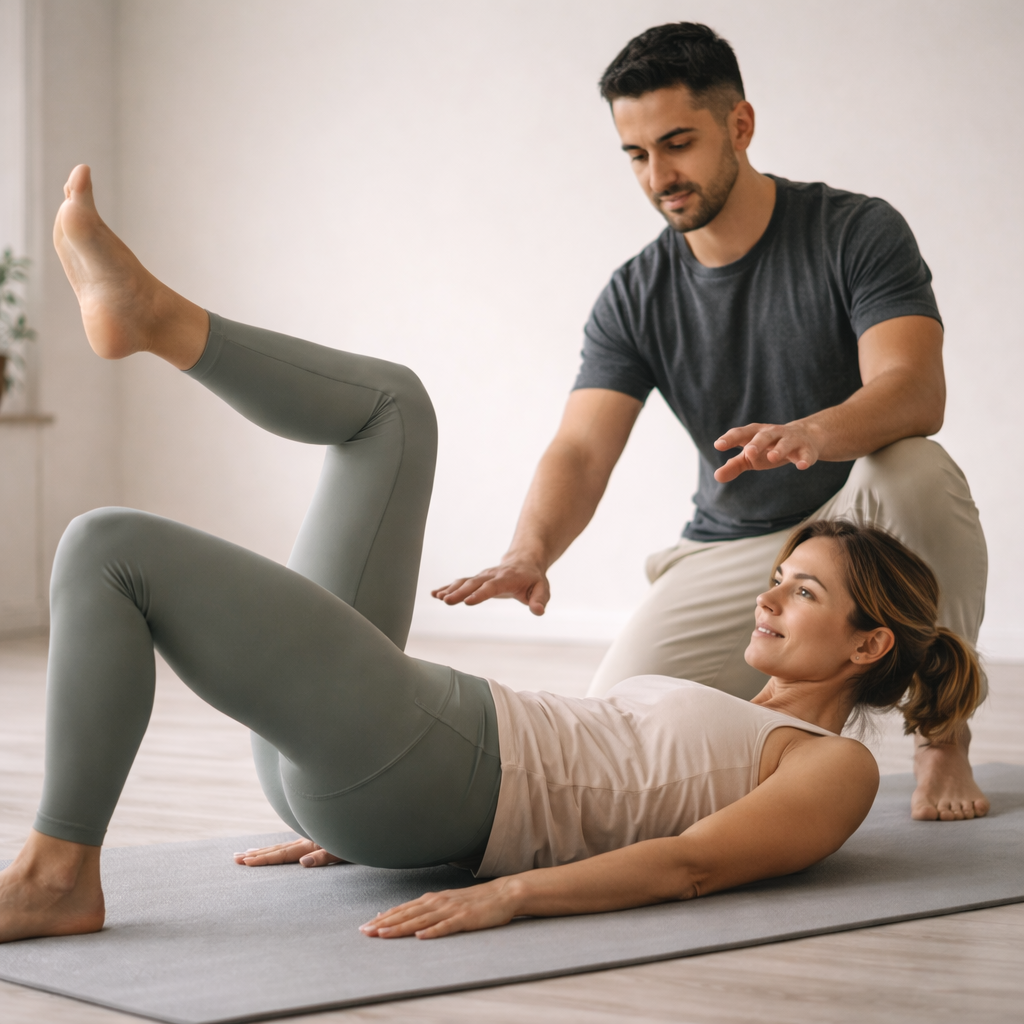
When pain is the result of movement inefficiency, the solution looks different for each person. However, effective programs usually include three elements:
Improving movement where motion is truly limited rather than stretching everything.
Strengthening muscles that should be supporting movement but are currently underactive.
Teaching the body how to move as a connected system rather than isolated parts.
This approach is explained in more detail in
Rebalance Your Body for Strength and Longevity.
The reason stretching does not help many people is simple. They are following generic advice that does not match their body.
A personalised movement assessment shows:
Once these patterns are identified, mobility work becomes effective because it is applied in the right place and at the right time.
If stretching has not solved your pain, it is not because you are doing it wrong. It is because stretching alone is not enough.
When movement becomes more efficient, pain often reduces naturally. The body no longer needs to protect itself through tension.
Fill the form below to book a 1 on 1 session.
You can also find my West Hollywood studio location and reviews on Google Maps here:
https://share.google/vG8YuWFFppjKJUTWY
Why does stretching feel good but not fix my pain?
Stretching temporarily reduces tension but does not correct movement inefficiency or instability.
Can stretching actually cause more pain?
Yes. If a tight muscle is stabilising a weak joint, stretching it can increase instability.
Is mobility training better than stretching?
Mobility training includes control and strength, which makes it more effective for long term results.
How do I know what my body needs?
A movement assessment identifies whether you need mobility, stability, or a combination of both.
Where are sessions held?
Sessions take place at my private studio in West Hollywood Los Angeles.