

Many clients in West Hollywood come in with back pain that actually begins in the hips. It is one of the most common patterns I see during mobility assessments. The lower back often becomes the victim of a problem that is happening somewhere else and the hips are usually the place to look first.
Your hips are designed to take large loads and move through a wide range of motion. When they lose mobility or strength, your lower back steps in to help even though it is not built for that job. Over time this compensation becomes pain, stiffness, or a sense that your back never fully relaxes.
Understanding the hip spine connection is the first step toward lasting hip pain relief in West Hollywood and beyond.
Your hips and spine work together every time you walk, bend, rotate, or stand up from a chair. When the hips move well, the spine can stay stable. When the hips move poorly, the spine has to become mobile to make up for the loss. This is when tension builds.

There are three common patterns I see during assessments:
If your hips cannot rotate properly, your lower back twists to create the movement you are missing. This often becomes chronic lower back tightness. For more on hip rotation, read
Why Hip Internal Rotation Might Be Key to Your Back Pain.
When the front of the hip is tight, the pelvis tilts forward. This increases pressure through the lower back and creates that familiar ache after sitting or standing.
When the glutes do not support the pelvis, the spine absorbs more force during walking and lifting. This imbalance is a common cause of pain that appears out of nowhere.
These patterns often show up together which is why hip mobility exercises in Los Angeles are becoming such an important part of pain relief strategies.
When the back hurts, most people focus only on the back. They stretch it, massage it, apply heat, or strengthen it. These approaches can help temporarily but the pain returns because the root cause is rarely the back itself.
If hip mobility is limited, the spine will keep overworking no matter how much you stretch. This is why so many people say their back tightness keeps coming back.
To understand how imbalances contribute to pain, you can read
How Muscle Imbalances Lead to Joint Pain and What You Can Do About It.
During a movement assessment, I look at the hip in very specific ways:
This approach reveals whether your back pain is coming from limited motion, weakness, compensation, or a combination of all three.
Clients are often surprised by how quickly their back feels different once the hips start functioning properly.
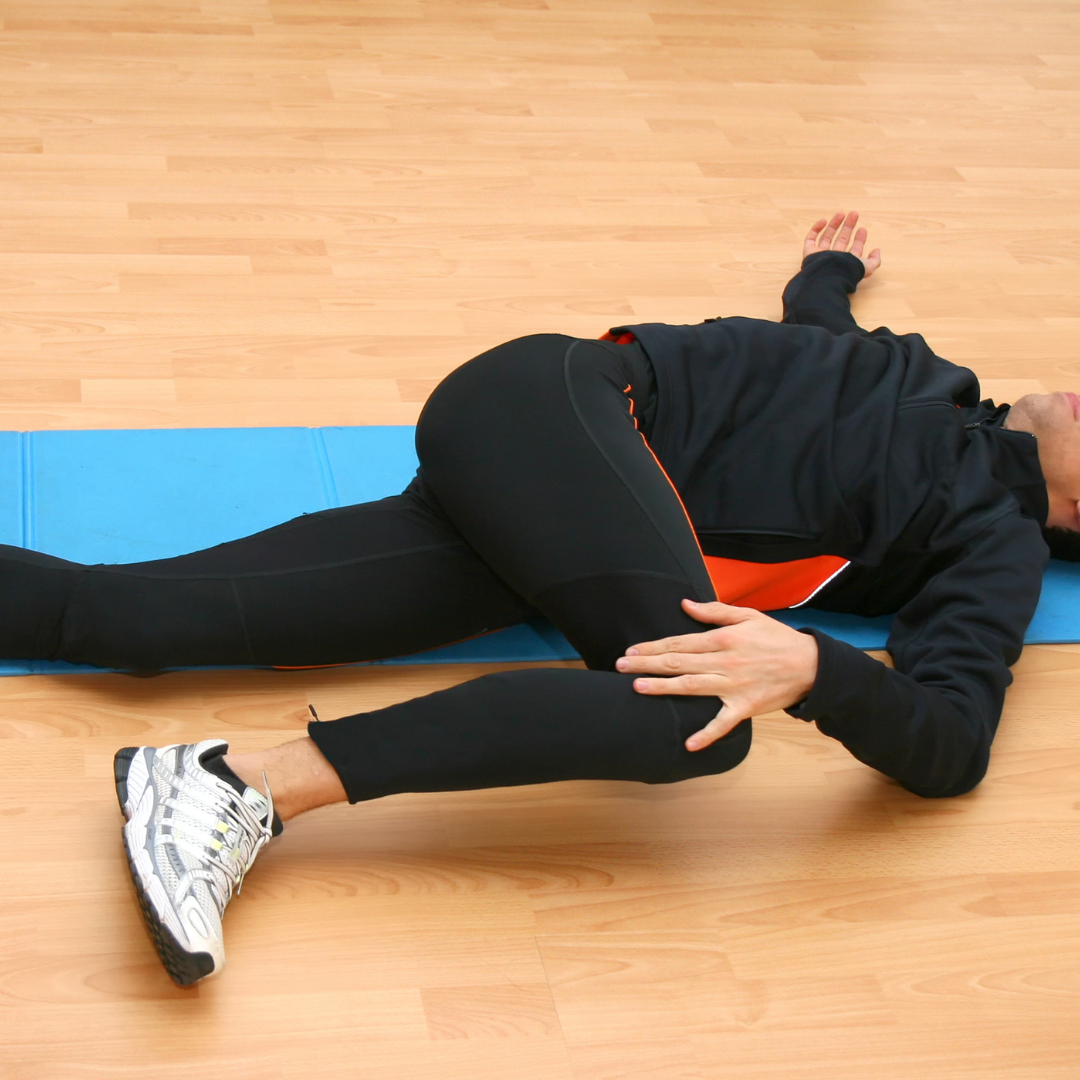
Every person needs a different plan but most mobility programs begin with three foundations:
Gentle drills that restore rotation reduce the twisting load on the spine.
When the glutes and deep hip stabilisers wake up, the lower back can finally relax.
Exercises that connect the pelvis to the rib cage improve alignment and reduce strain.
These exercises become much more effective when based on a personalised assessment. Generic routines often miss the specific pattern your body is stuck in.
Once the hips move the way they are designed to move, something important happens:
Clients often report that they feel lighter taller and more stable after only a few sessions. This is not because the back was stretched. It is because the hips finally did their job again.
If you are dealing with back pain that never seems to go away, your hips may be the real reason. A full mobility assessment will show exactly what your body needs and how to begin correcting it.
Fill the form below to book a 1 on 1 session.
You can also explore reviews and directions for my West Hollywood studio on Google Maps here:
https://share.google/vG8YuWFFppjKJUTWY
What are the signs my back pain is coming from my hips?
Common signs include stiffness when rotating, pain after sitting, tightness during walking, or relief when stretching the hip.
Does improving hip mobility really reduce back pain?
Yes. When the hips move better, the lower back stops compensating and pain often decreases quickly.
How long does it take to feel a difference?
Many clients feel change within the first few sessions once the correct exercises are applied.
Do I need a full movement assessment?
If you want long term improvement, yes. It ensures your training plan is accurate rather than guessing.
Where are you located?
The studio is in West Hollywood Los Angeles and open for private one on one movement sessions.