
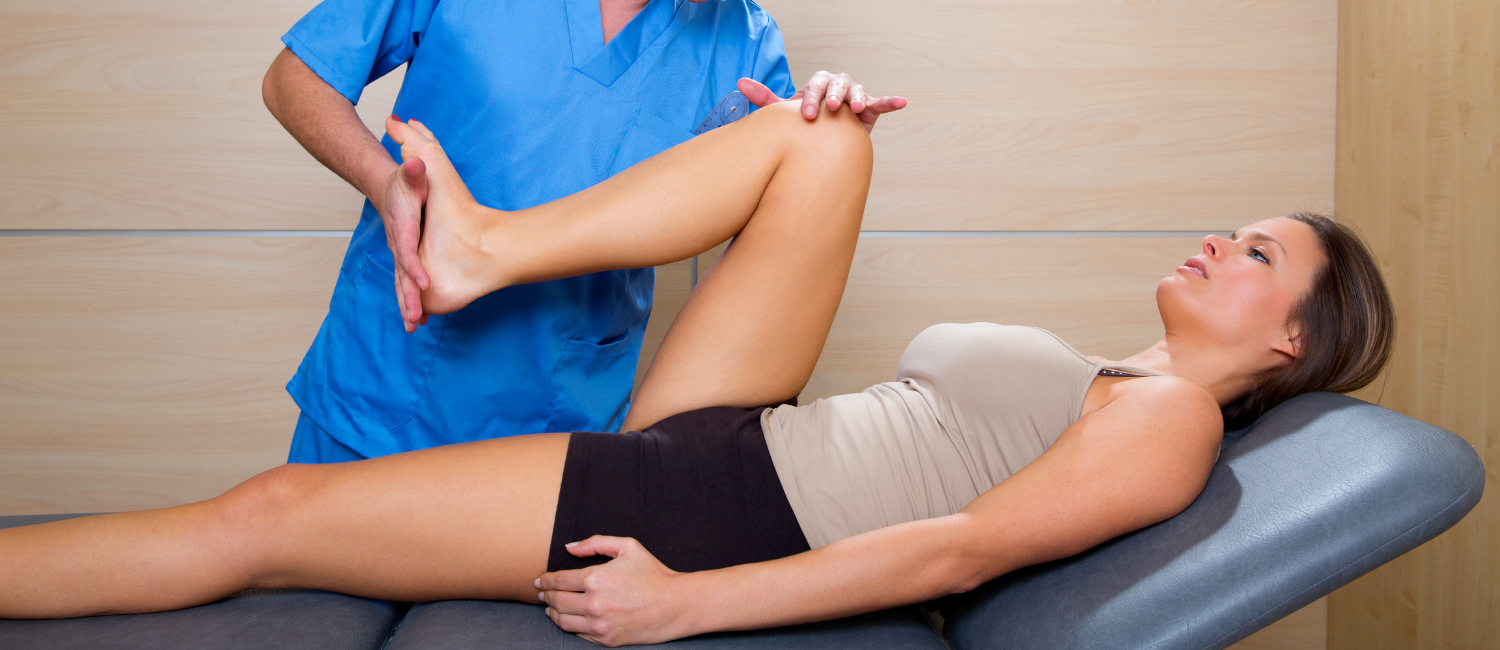
This is one of the most common issues I see during mobility assessments in my West Hollywood studio. People describe feeling tight around the ribs or a sense that their chest cannot expand fully when they breathe. Some feel tension in the mid back or a pressure under the ribs that never seems to release.
Most people think rib cage tightness is only a breathing problem. In reality, it is a movement problem. Your rib cage and thoracic spine influence almost every movement pattern in your body. When they become restricted, everything from breathing to posture to lower back mechanics begins to shift.
Understanding why this tightness appears is the first step toward relieving it and improving the way your whole body moves.
Your rib cage is not a fixed structure. It is designed to expand rotate and glide with every breath. It works together with your spine pelvis and diaphragm to support movement.
When the ribs cannot expand or rotate well you often see:
This is why a tight rib cage can create pain far from the centre of the chest. The restriction disrupts your whole movement system.
For a deeper look at how breathing affects posture and movement, read
Breathing Exercises to Decompress Your Rib Cage and Relief Back Pain.
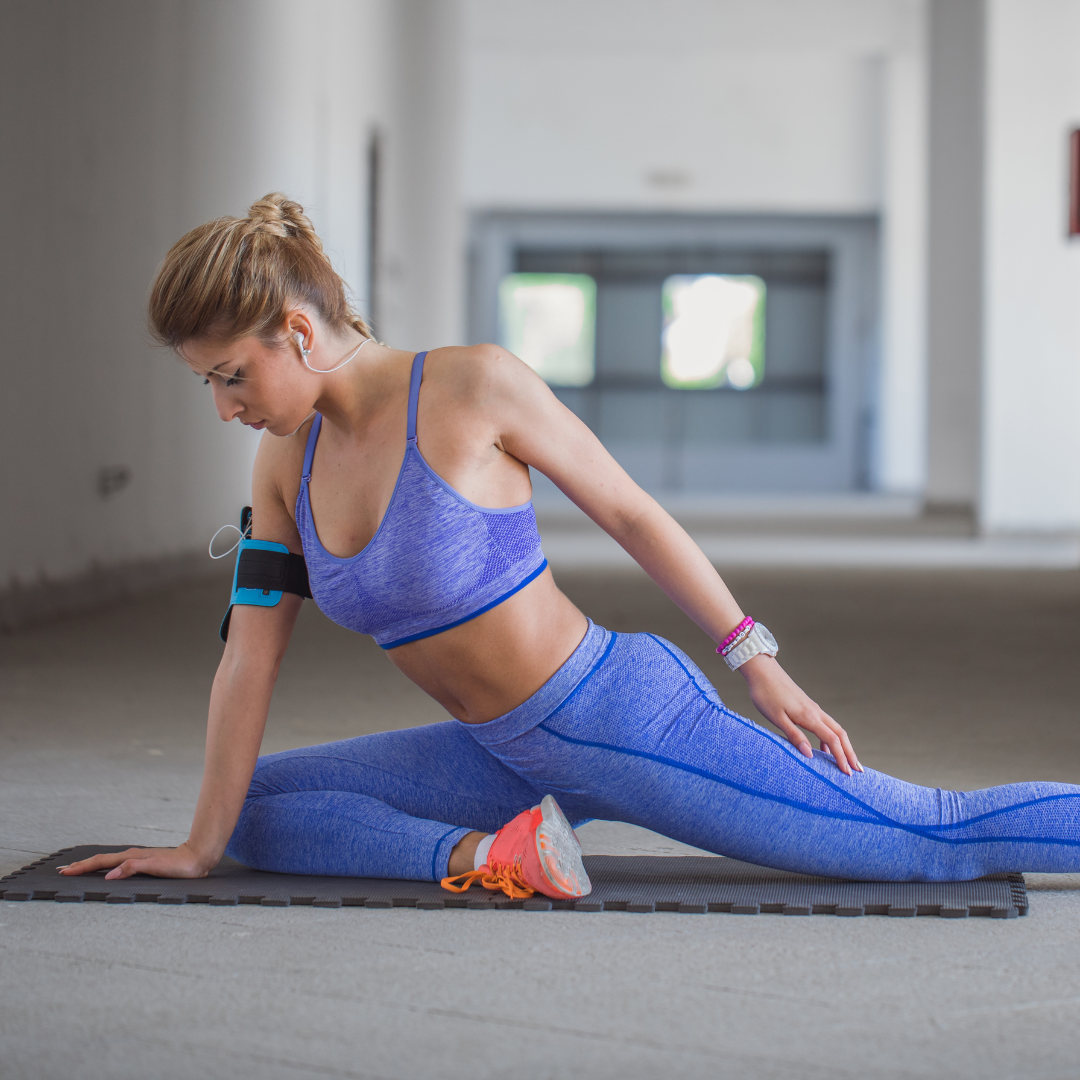
Most rib restrictions develop slowly over time. Common causes include:
When your rib cage cannot move well, your body finds other ways to compensate. Your neck might take over your breathing. Your lower back might extend more than it should. Your shoulders might round forward to create space.
These compensations often feel like pain but the root cause is still mobility loss in the thoracic region.
If you want to learn why belly breathing is not always the best solution, see
Stop Belly Breathing and Do This Instead.
Your breathing tells a story about how your body moves. When the rib cage becomes stiff, breathing becomes more effortful. People often lift their shoulders or use neck muscles to breathe instead of using the diaphragm. This pattern changes posture and reduces stability around the spine.
A tight rib cage usually means:
Once you restore mobility to the ribs, breathing becomes smoother and your whole movement system becomes more efficient.
During your assessment I look at:
This gives a clear picture of how tightness in one area affects the rest of your body. Most clients are surprised by how much their rib cage influences their back pain shoulder tension or even hip mechanics.
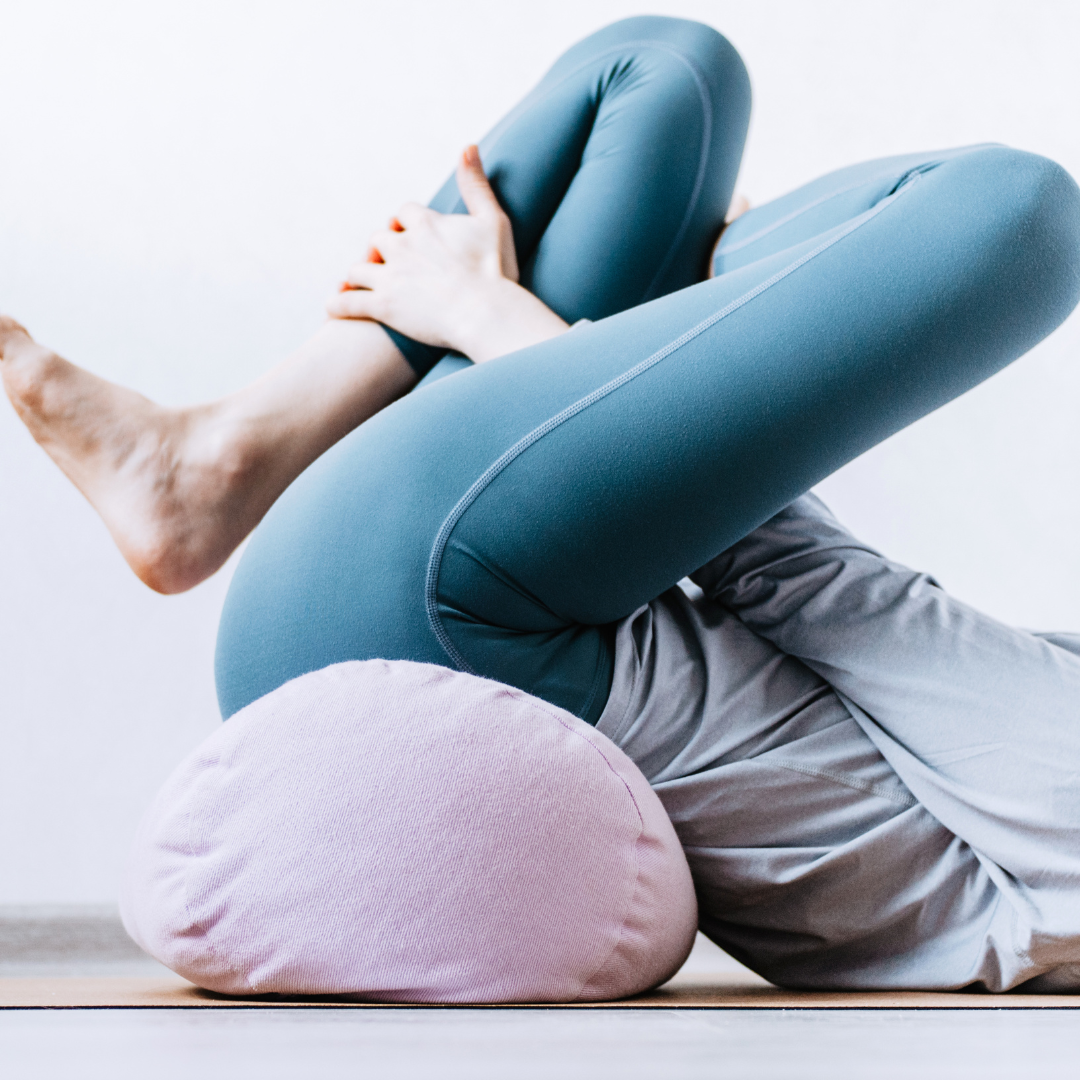
Although each person needs a personalised plan, most people benefit from three key practices:
Gentle breathing drills that expand the ribs improve mobility and reduce tension throughout the spine.
Rotational drills help your rib cage move naturally during walking and daily activities.
Core integration work teaches your body how to stabilise while allowing the ribs to move freely.
These exercises work best when they are designed for your specific mobility pattern and your daily posture habits.
When your rib cage moves well, everything else becomes easier.
You may notice:
This is why rib cage mobility is such an important part of thoracic mobility pain relief in Los Angeles. When the ribs move the way they were designed to move, the whole body benefits.
If your rib cage feels tight or restricted, you do not need to live with that feeling. A mobility assessment will show you what your body needs and how to restore natural movement.
Fill the form below to book a 1 on 1 session.
You can also view my West Hollywood location and reviews on Google Maps here.
Why does my rib cage feel tight when I breathe?
This usually comes from limited mobility in the ribs or thoracic spine which forces your body to compensate.
Can rib stiffness cause back pain?
Yes. When the ribs cannot rotate your lower back takes on the extra work.
Why does my chest feel restricted even when I stretch?
Stretching only helps the surface. The real solution is improving rib mechanics and diaphragm movement.
Is this something a mobility assessment can identify?
Yes. The assessment reveals how your rib cage moves with your spine and pelvis.
Where are the assessments held?
At my private studio in West Hollywood Los Angeles.